
01—What Is a Material?
Materials are substances used by people to manufacture articles, devices, components, machines, or other products. Materials are matter, but not all matter is considered a material. Fuels and chemical feedstocks, industrial chemicals, food, and medicines are generally classified as raw materials rather than materials. This definition is not strict, however. Explosives and solid rocket propellants, for example, are generally called ‘energetic materials’ because they form part of artillery systems or rockets. A material is always associated with a particular application and may consist of one or more substances. The same substance can become materials with very different uses, types, and properties depending on how it is prepared or processed.
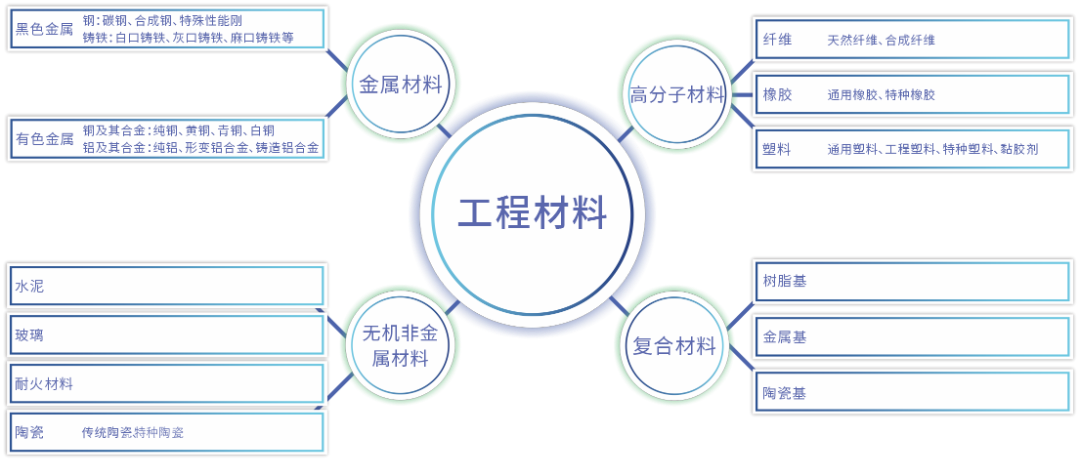
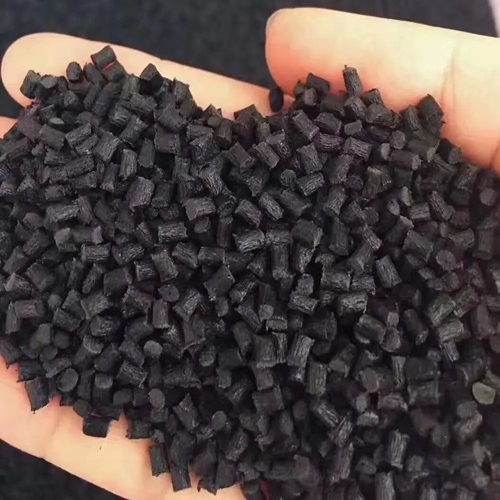
In mechanical design, the material selected for each component is critical and directly affects product performance. Engineering materials commonly used for mechanical components include metals, polymers, inorganic nonmetallic materials, and composites. This article provides only a brief discussion of the polymer PA66 and the composite PA66+GF30; other materials are not covered in detail.
 |
 |
 |
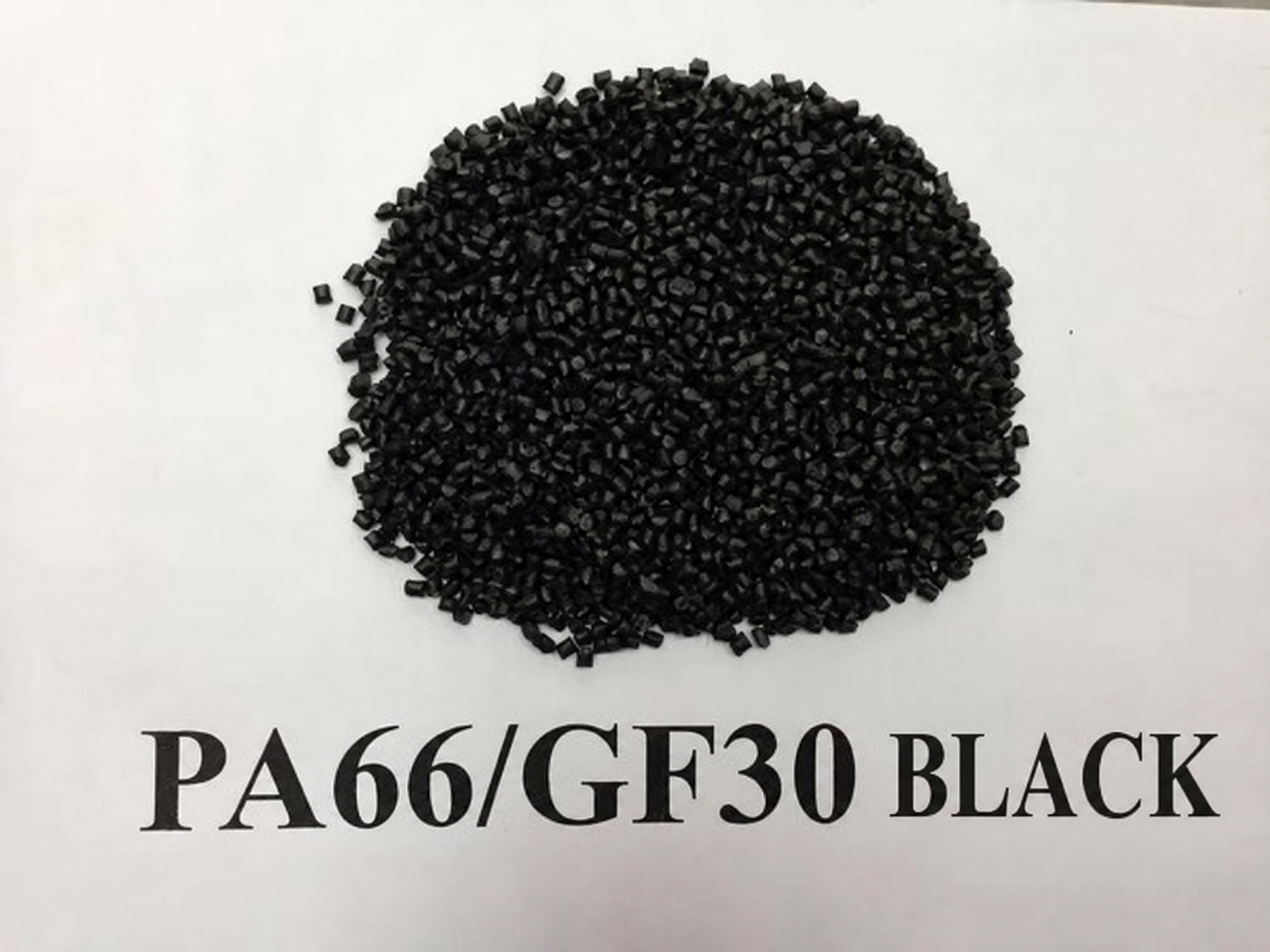 |
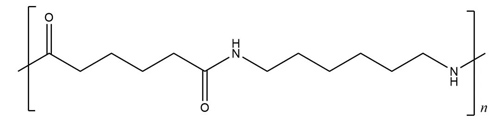
In practical applications, PA66 cannot meet most environmental requirements. It has therefore been modified in various ways to broaden its range of use. Adding glass fiber reinforcement to turn it into a composite is one such method.
A composite is a new material created by using advanced preparation technologies to optimize the combination of material components with different properties.
03—Plastic Material ‘PA66+GF30’
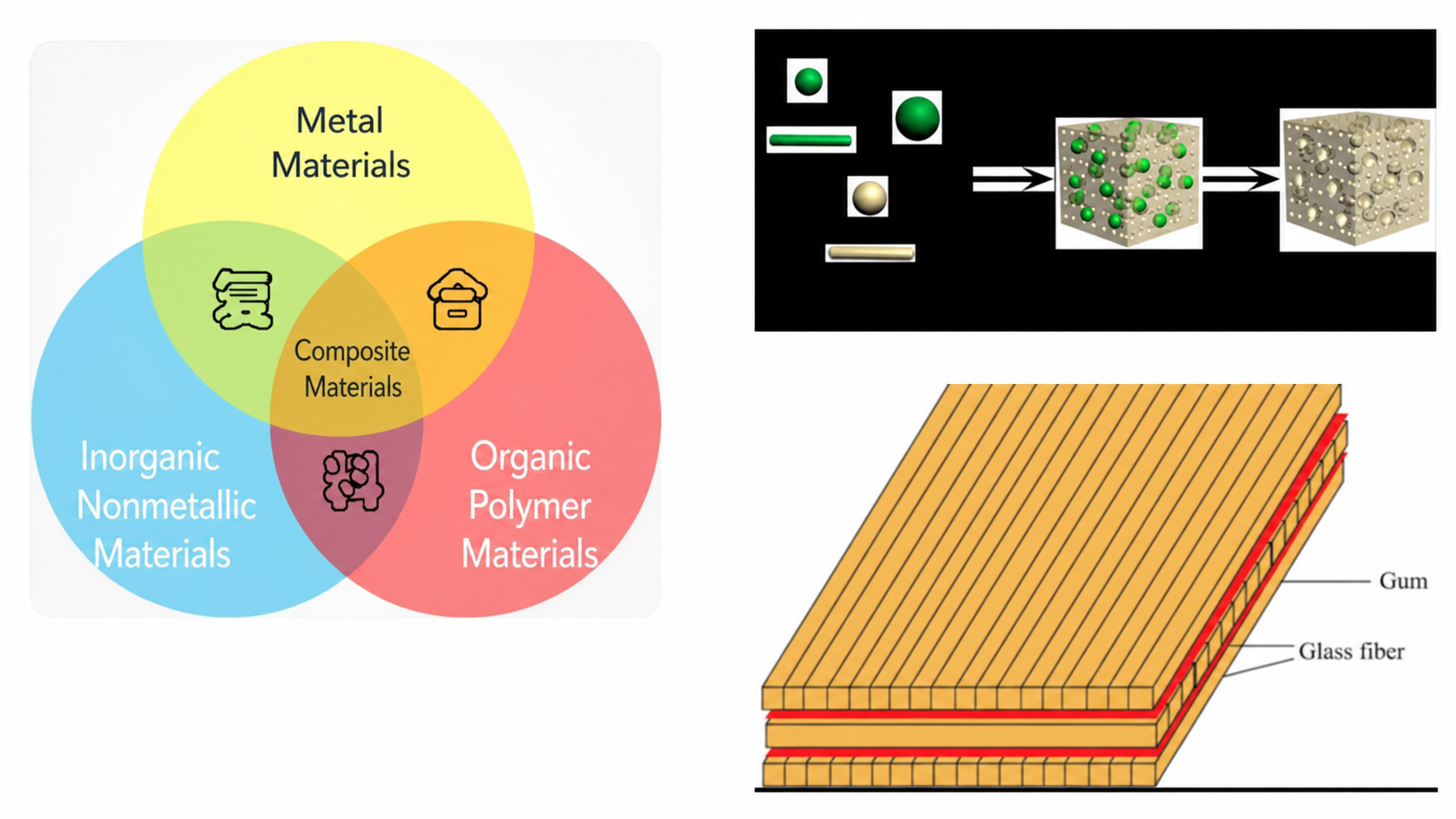
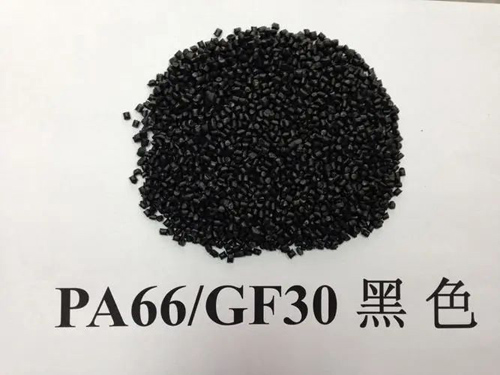
PA66+GF30 is PA66 reinforced with 30% glass fiber. GF is the abbreviation for glass fiber, a common inorganic filler used in modified plastics. After PA66 is modified with 30% glass fiber, its dimensional stability, heat resistance, and aging resistance improve significantly. Its tensile and flexural strengths increase substantially, and its fatigue strength can increase by as much as 2.5 times. The best overall mechanical properties are obtained with 30%–35% glass fiber. (This modification also applies to materials such as PBT, PA, and PA6.)
The performance benefits of PA66+GF30 glass-fiber-reinforced PA66 include:
01—Adding glass fiber reduces the toughness and increases the brittleness of all plastics.
(The more glass fiber added, the lower the toughness and the higher the brittleness; adding less glass fiber produces the opposite trend. Tests indicate that 30% glass fiber is most suitable.)
02—After glass fiber is added, the melt viscosity of PA66 increases and its flowability declines, requiring higher injection pressure than PA66 without glass fiber.
03—Because glass fiber reduces flowability, the injection-molding temperature for all glass-fiber-filled materials must be 10°C–30°C higher than for the same materials without glass fiber to ensure normal molding.
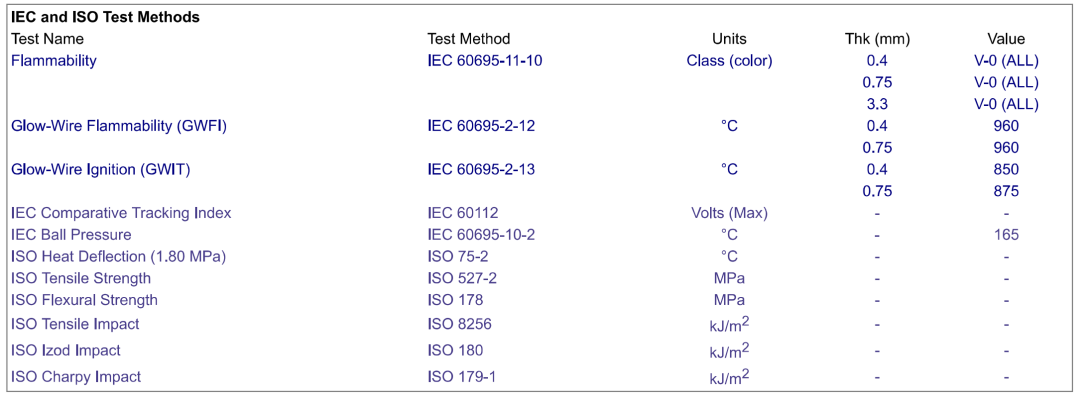
最后小编拙见,高分子材料与复合材料各有特点,在不同环境要求下运用也各不相同。PA66+GF30运用在RCD模块中无疑是个综合能力适宜的选择,盛位电子作为行业标杆,产品满足绝大多数客户要求, 如MastCurr系列剩余电流检测模块壳体材料选择使用复合材料PA66+GF30或PBT+GF30,MastCurr系列剩余电流检测模块壳体材料通过UL认证,满足上图相应数据。模块满足工作环境温度-40°C~105°C,工作湿度≤95%;存储温度:-40°C~105°C,理论设计寿命≥20年,工作海拔≤4000米,能力出众。In the author’s view, polymers and composites each have their own characteristics and are used differently under different environmental requirements. PA66+GF30 is a suitable choice with well-balanced capabilities for RCD modules. As an industry benchmark, Mega-Senway offers products that meet the requirements of most customers. For example, the enclosures of MastCurr Series residual current detection modules are made of the composites PA66+GF30 or PBT+GF30. The enclosure materials of MastCurr Series residual current detection modules are UL certified and meet the corresponding data shown above. The modules support an operating ambient temperature of -40°C~105°C, operating humidity of ≤95%, storage temperature of -40°C~105°C, a theoretical design life of ≥20 years, and an operating altitude of ≤4,000 meters, demonstrating outstanding capabilities.
Service Hotline:
021-52212989
18221792228

Service Hotline:
021-52212989
18221792228